
Kenya could be losing up to Sh130 billion every year due to its failure to effectively tax the country’s wealthiest individuals, a new analysis by Oxfam and the Institute of Public Finance (IPF) has revealed. The findings come as the government faces growing pressure to scrap regressive taxes that weigh heavily on ordinary Kenyans.
Weak Wealth Tax Systems Leave Billions Uncollected
According to the report, poor structuring of Kenya’s tax framework has allowed high-net-worth individuals to avoid paying taxes that could boost national revenue by at least $1 billion (Sh130 billion) annually.
This amount is almost equal to the entire yearly budget of the Ministry of Health, underscoring the magnitude of the tax gap.
The study warns that Kenya’s growing pool of dollar millionaires and rising private wealth has not translated into increased tax revenue due to ineffective taxation measures.
Regressive Taxes Burden the Poor as Wealth Inequality Deepens
Experts say Kenya’s tax system relies heavily on regressive consumption taxes such as VAT and excise duty. These taxes disproportionately affect low-income households, while the wealthy benefit from loopholes and low-rate taxes on capital gains and rental income.
In 2022/23, consumption taxes accounted for 56.2% of total revenue, according to the World Bank.
Meanwhile, the top 10% of Kenyans control 62.8% of total personal wealth, while the bottom half of the population owns just 4%. The gap continues to widen as Kenya’s millionaire class grows; the Africa Wealth Report shows the country now hosts 7,200 dollar millionaires and at least 16 centi-millionaires with assets above Sh12.9 billion.
KRA’s High-Net-Worth Unit Struggles Due to Data Gaps
While the Kenya Revenue Authority (KRA) has established a High-Net-Worth Individual unit, its effectiveness remains limited.
Experts say the unit lacks access to reliable, centralised data on:
- Property and land ownership
- Shareholdings
- Luxury assets
- Cryptocurrency
- Offshore accounts
- Beneficial ownership structures
This weak data ecosystem makes it hard for KRA to assess assets held by wealthy individuals both locally and abroad.
Sh130 Billion Within Reach Through a Well-Designed Wealth Tax
Oxfam and IPF estimate that Kenya could raise more than Sh130 billion annually if it implemented a well-structured wealth tax. Such a tax would target high-level assets rather than relying on consumption taxes that hurt low-income households.
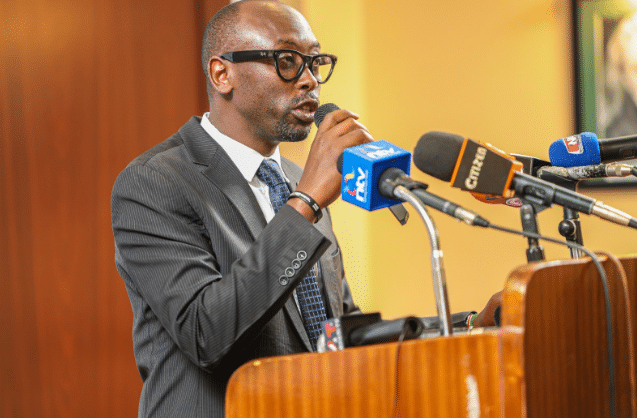
IPF CEO James Muraguri noted that existing taxes targeting the wealthy are “ineffective” because they are set at lower rates than income tax and do not generate meaningful revenue.
Capital Flight Remains a Major Concern
The report warns that any new wealth tax must be carefully designed to prevent capital flight.
Kenyan elites have a long history of hiding assets in foreign jurisdictions, as highlighted in investigations such as the Pandora Papers, which exposed offshore accounts, shell companies and trusts used by political and business leaders.
To prevent large-scale tax avoidance, the report recommends:
- Mandatory declaration of offshore assets
- Alignment with international tax transparency standards
- Strong enforcement to deter shifting wealth abroad
Without these safeguards, Kenya risks undermining investor confidence and encouraging even more capital outflows.
A Turning Point for Kenya’s Tax System?
The findings come at a time when Kenya is battling rising public debt, widening inequality and increasing frustration over regressive taxes.
The call for a fairer tax system—one that ensures the wealthy pay their share—continues to intensify.